Calipari Failed to Learn From Past Mistakes
In a summer that was already shaping up as a forgettable offseason in college basketball (thanks, Rick Pitino), the bad news just kept coming last week.
We had already known for a while that something might be fishy with the 2007-08 Memphis Tigers men's basketball team led by point guard phenom Derrick Rose, and last week, our fears were confirmed.
Last Thursday, the NCAA passed down a ruling that Rose was retroactively ineligible to play for Memphis because of a fraudulent SAT score he used to apply to the university. It was revealed that the SAT in question was taken on May 5, 2007, well after the admissions process for the incoming Memphis freshman class was completed. The test was invalidated by the Educational Testing Service in May 2008.
The Tigers' season, the first 38-win campaign in men's NCAA history, was thus invalidated. The wins, the Final Four appearance, and the dramatic run to the overtime thriller of a national title game were all taken away. The Memphis program is left with nothing.
For John Calipari, the coach who recruited the Tigers' fraud of a point guard, this kind of scandal is nothing new. Coach Cal was first implicated in an ethical quandary at the collegiate level in 1996, when questions arose about the amateur status of UMass star Marcus Camby.
Calipari got his start as a college coach in Massachusetts. He led the Minutemen from obscurity at the end of the 1980s to the top of the heap in less than a decade. He reached his first NIT in 1990, his first NCAA Tournament in 1992 and, after four thwarted runs in the Big Dance, finally his first Final Four in 1996.
Camby won both the Naismith and Wooden Awards given to the nation's top player, and the Minutemen cruised to a Final Four berth in their fifth NCAA Tournament. But later, the truth came out.
Camby had accepted money, jewelry, rental cars and even prostitutes from agents who began wooing him at the college level, hoping to get a piece of Camby's inevitable NBA stardom when the time came. When the NCAA later picked up on Camby's wrongdoings, he was declared ineligible and UMass' wins were taken away.
Calipari himself was cleared of any wrongdoing. But that doesn't mean he didn't learn any lessons from the experience.
Collegiate athletics demand a certain level of integrity. At any level, whether you're rowing at a tiny college in Div. III or playing in the Final Four in East Rutherford, the standards and expectations are the same: The NCAA wants fair play, and it wants competitors who are students first and athletes second. All the money and fame comes later — at the college level, it's about amateurs playing for the love of the game.
In 1996, Calipari let his Minutemen lose sight of that.
In 2009, he's done it again.
The sad thing is that in college basketball today, Calipari is an icon. He's since moved from Memphis to Kentucky, where he recently became the highest-paid coach in all of college basketball. He's coaching on the biggest stage for the biggest paychecks — and while he may have the biggest scandal in the game hanging over him, he's got a convenient excuse. His current employers have chosen to do and say nothing, because the scandal is "not a University of Kentucky issue."
No one wants it to be an issue.
Everyone is trying to sweep the Derrick Rose scandal under the rug — because there's nothing to be done. Rose is already in the NBA making millions, Calipari has already moved on to what's bigger and better, and the Memphis fans will never care one way or the other about vacating wins. They have the memories of the games they saw, and that's all that matters.
So in short, justice will never be served in the Rose case. And all we can do now is cry over spilled milk.
It's sad — the corruption in college sports has become a serious problem, tainting even the very pinnacle of NCAA competition, the Final Four. And there's nothing anyone can do.
Except back here in New England, we can shake our heads at our old native son, John Calipari. He'd been in this situation before, and apparently he learned nothing.
All too often, that's the problem — too much playing, not enough learning.
More from this article
-
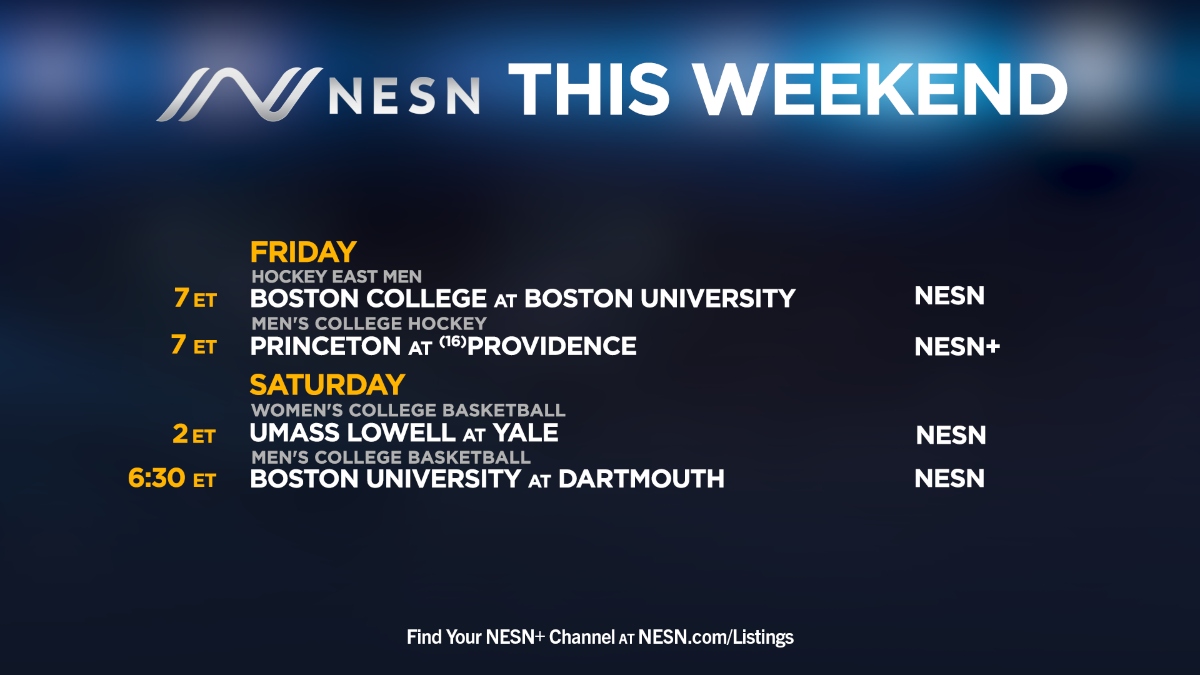
BC Vs. BU Hockey East Clash Headlines Weekend Of College Sports On NESN Networks
-

Hockey East Showdowns Headline Big Weekend Of College Sports On NESN Networks
-

Future Is Now: Northeastern Hiring Varsity Esports ‘League of Legends’ Coach
-
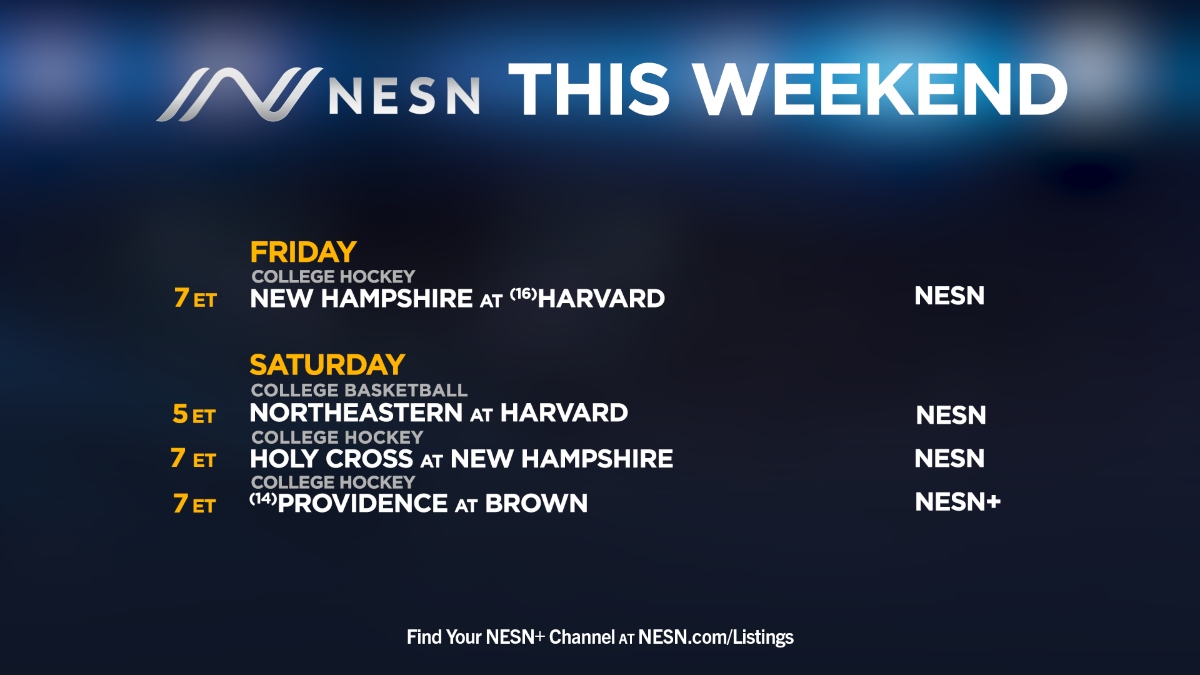
Hockey East, Ivy League Basketball Headline Weekend Of College Sports On NESN Networks
