Skip to content
Boston Bruins Centennial
NESN in
4K
Predict the Game
Download
NESN 360
|
Facebook
X
Instagram
YouTube
Scores
New England Sports Network
Live
Account
New England Sports Network
New England Sports Network
Red Sox
Red Sox
Home
Scores & Schedule
Stats
Roster
Transactions
MLB Live Odds
Bruins
Bruins
Home
Scores & Schedule
Stats
Roster
Injuries
Transactions
NHL Live Odds
Patriots
Patriots
Home
Scores & Schedule
Stats
Depth Chart
Injuries
Transactions
NFL Live Odds
Celtics
Celtics
Home
Scores & Schedule
Stats
Roster
Injuries
Transactions
NBA Live Odds
|
Leagues
Leagues
MLB
NHL
NFL
NBA
PWHL
MLB
MLB
Home
Teams
Scores & Schedule
Standings
League Leaders
Player Stats
Teams Stats
Transactions
MLB Live Odds
NHL
NHL
Home
Teams
Scores & Schedule
League Leaders
Player Stats
Transactions
Injuries
NHL Live Odds
NFL
NFL
Home
Teams
Scores & Schedule
Standings
League Leaders
Player Stats
Teams Stats
Injuries
Transactions
NFL Live Odds
NBA
NBA
Home
Teams
Scores & Schedule
Standings
League Leaders
Player Stats
Teams Stats
Transactions
NBA Live Odds
PWHL
More
More
PWHL
Hockey East
Liverpool FC
Soccer
Premier League
Connecticut Sun
Racing
UFC
Boxing
WWE
Golf
Betting 101
Have a Game Plan
Live Odds
Watch Live
Account
Watch NESN
Home
Stream Live
NESN
NESN+
Originals
Travis Roy: A Life & A Legacy
David Ortiz: Unstoppable
Red Sox Recap
Like a Pro with Jared Carrabis
My Story: Red Sox
Bell Biv DeVoe At Fenway Park
Bergeron at 1000
Call to the Hall: Cam Neely
Call to the Hall: Ray Bourque
Chara at 1000
The David Ortiz Era
David Ortiz: The Journey
Dining Playbook
Freezing Fenway
Lord Stanley’s Summer
Meet Marchand & Miller
My Story: Bruins
NESN Clubhouse
On Course with Andy Brickley
Pitching Ninja
Red Sox Hall of Fame Ceremony
Red Sox Winter Weekend
Remembering Jerry
Schooled
Sox Appeal
The Tradition
Guide
TV Schedules
Channel Listings
Bill James Explains New ‘Temperature Gauge’ Statistic to Determine How Hot or Cold a Hitter Is
NESN Staff
|
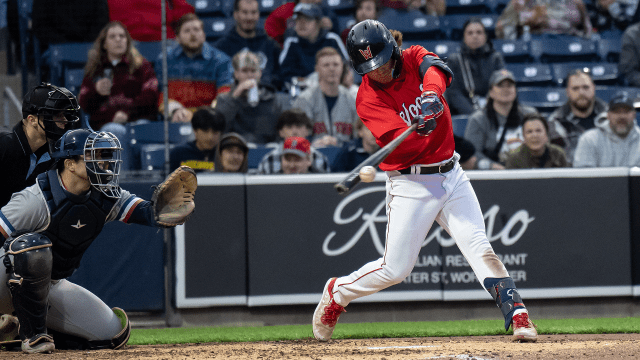
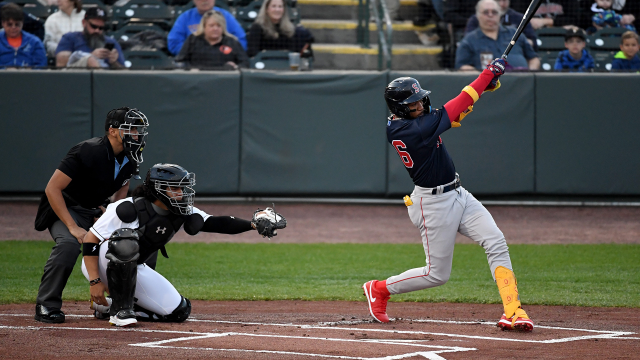
Red Sox Prospect Looks To Keep Raising Stock In 2024
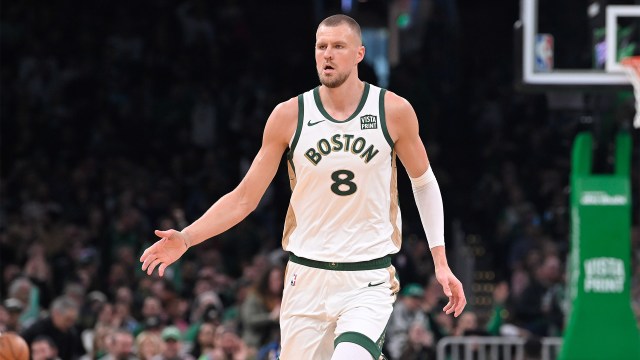
What Joe Mazzulla Wants From Celtics With Kristaps Porzingis Injured
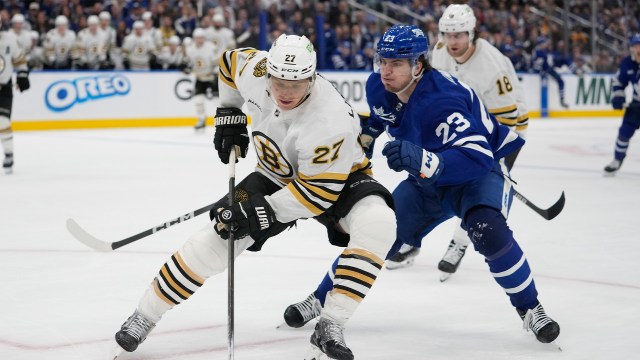
Bruins Keys To Winning Game 4 Matchup Vs. Maple Leafs
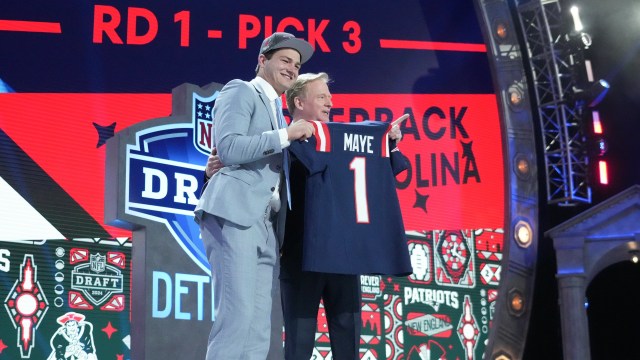
Watch Now: Drake Maye Introductory Press Conference With Patriots
Related Videos
Red Sox Prospect Looks To Keep Raising Stock In 2024
BC Set To Play At Fenway Park For 12th Annual ALS Awareness Game
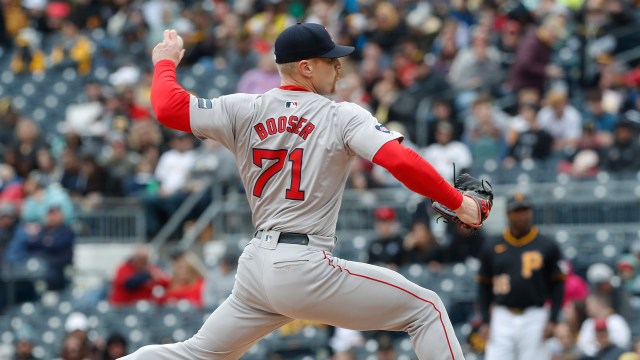
Red Sox Pitcher Cam Booser Discusses Journey To MLB Debut
This Red Sox Prospect Has Potential To Be Cornerstone Piece
Home
Red Sox
Bruins
Patriots
Celtics